
The Hidden Health Benefits of a Clean Workplace
17th November 2025
For many Australian businesses, the perception of office cleaning often stops at the surface: a tidy reception area, gleaming floors, and sparkling windows. It's seen as a necessary part of maintaining professionalism and a pleasant working environment, primarily focused on aesthetics and first impressions. However, this common view barely scratches the surface of the true value that a thoroughly clean office brings, especially in a country increasingly focused on holistic employee well-being and robust workplace health and safety.
Beyond the visible shine, cleanliness offers a range of profound, often "hidden," health benefits that silently underpin the vitality and productivity of your team. In an era where the focus on a healthy work environment for Australian employees has never been more critical, understanding these deeper advantages is paramount. This article will explore how investing in a truly clean workplace, through consistent daily practices and expert professional services, yields significant and often overlooked health benefits that profoundly impact both Australian employees and the long-term success of businesses.
Uncovering the Hidden Health Benefits
The true value of a professionally cleaned office extends far beyond what meets the eye. Beneath the gleaming surfaces lie critical health advantages that directly contribute to the well-being and performance of Australian workers.
1. Superior Indoor Air Quality (IAQ)
One of the most significant yet "hidden" benefits of a clean office is vastly improved Indoor Air Quality (IAQ). Modern office environments, particularly in tightly sealed buildings common in Australian cities, can accumulate a surprising array of airborne pollutants. These include:
- Dust and Particulates: Microscopic dust, skin flakes, and fabric fibres that settle on surfaces and become airborne with movement.
- Mould Spores: Often unseen, mould can thrive in damp areas (e.g., bathrooms, leaks, condensation) and release spores that irritate respiratory systems.
- Volatile Organic Compounds (VOCs): Emitted from furnishings, carpets, paints, and even conventional cleaning products, these can cause headaches, dizziness, and long-term health issues.
- Airborne Particles (e.g., PM2.5): Ultrafine particles, sometimes from outdoor sources like traffic or, notably in Australia, bushfire smoke, can penetrate deep into the lungs.
Professional office cleaning significantly reduces these silent threats. This involves:
- Advanced Dusting: Using microfibre cloths that trap dust rather than just spreading it.
- HEPA Filter Vacuuming: Commercial-grade vacuums equipped with High-Efficiency Particulate Air (HEPA) filters capture 99.97% of airborne particles, down to 0.3 microns, preventing them from being recirculated.
- Targeted Cleaning: Addressing sources of VOCs and mould.
- HVAC Maintenance: While often separate, a clean office environment places less strain on HVAC systems, indirectly supporting cleaner air circulation.
The result is a healthier breathing environment, leading to reduced respiratory issues, fewer allergy flare-ups, a decrease in headaches, and less general fatigue among Australian workers. This is particularly crucial during Australia's often intense pollen seasons or periods affected by external factors like bushfire smoke, where indoor air quality becomes a primary line of defence.
2. Reduced Spread of Illnesses and Pathogens
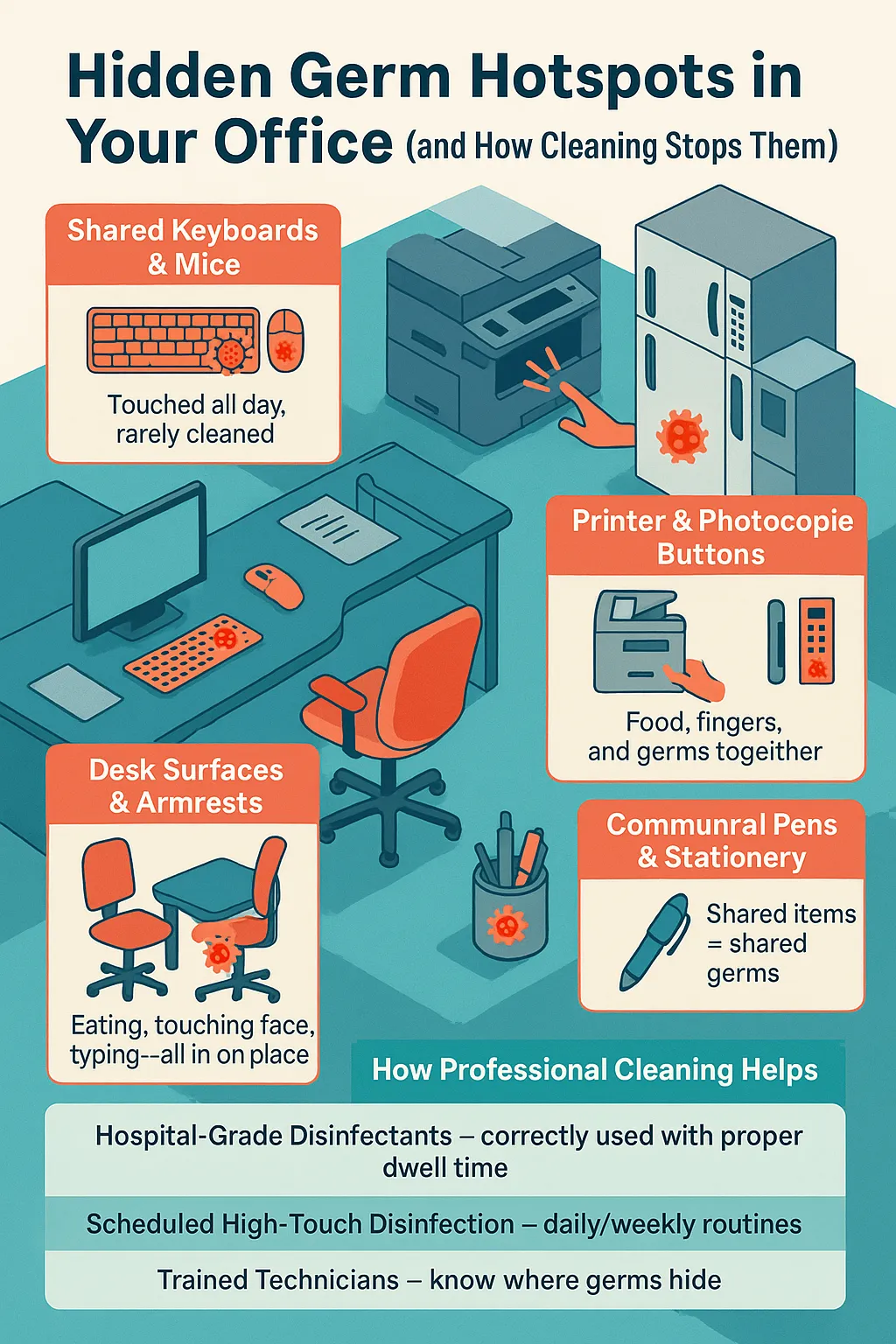
Beyond the obvious high-touch points like door handles and light switches, offices harbour a multitude of less apparent germ hotspots that can silently perpetuate the chain of infection. These include:
- Shared keyboards and computer mice.
- Printer and photocopier buttons.
- Refrigerator handles and microwave keypads.
- Communal pens and stationery.
- Even individual desk surfaces where people eat, cough, and touch their faces.
Thorough disinfection by commercial cleaners is designed to target these pervasive areas. They use hospital-grade disinfectants and proper dwell times to effectively eliminate a wide array of germs, bacteria, and viruses that cause common workplace illnesses (like colds, flu, and gastroenteritis). This systematic approach significantly breaks the chain of infection, preventing widespread outbreaks. The direct, quantifiable benefit is fewer sick days for Australian employees, which in turn ensures greater workforce consistency and positively impacts business continuity and productivity.
3. Enhanced Mental Well-being and Stress Reduction
The state of our physical environment profoundly impacts our psychological state. Clutter and disarray in an office environment create constant visual noise and can contribute to increased stress, anxiety, and mental fatigue. A chaotic space can feel overwhelming, making it harder to focus and leading to a subconscious sense of disorganisation.
Conversely, an organised, sparkling clean, and well-maintained office fosters a profound sense of calm, control, and clarity. It provides a mentally restful backdrop that allows employees to concentrate better on their core tasks without being distracted by their surroundings. This directly connects to:
- Improved Mood: A pleasant environment contributes to greater job satisfaction.
- Reduced Stress Hormone (Cortisol) Levels: A serene space can literally help lower physiological stress responses.
- Greater Sense of Well-being: Feeling valued and working in a cared-for environment boosts overall morale and mental resilience among Australian staff, fostering a more positive and productive mindset.
4. Prevention of Allergies and Asthma Triggers
Office environments are common breeding grounds for various allergens and asthma triggers that can severely impact employee health. These include:
- Dust Mites: Thriving in carpets, upholstery, and even office chairs.
- Mould: Often hidden in damp areas like under sinks, behind walls, or in poorly ventilated spaces.
- Pet Dander: Carried in on clothing, even in offices without pets.
- Pollen: Entering through windows or carried indoors during peak seasons.
Regular, professional office cleaning actively minimises these triggers. This isn't just about surface cleaning but involves:
- Deep Carpet Cleaning: Extracting deeply embedded dust mites, dander, and allergens that regular vacuuming misses.
- Upholstery Cleaning: Sanitising fabric chairs and partitions.
- Mould Remediation: Identifying and addressing mould growth promptly and safely.
- Thorough Dusting: Using methods that capture rather than redistribute microscopic particles.
By systematically addressing these environmental allergens, professional cleaning provides significant relief for allergy and asthma sufferers in Australia, reducing symptoms like sneezing, watery eyes, skin irritations, and breathing difficulties, thereby allowing them to work more comfortably and effectively.
5. Minimised Exposure to Harsh Chemicals
There's a growing awareness in Australia about the impact of chemicals on health. Historically, many conventional cleaning products contained harsh chemicals and Volatile Organic Compounds (VOCs) that could irritate skin, eyes, and respiratory systems for both the cleaners applying them and the occupants exposed to their fumes.
A key "hidden" health benefit of modern professional cleaning is the shift towards eco-friendly and green cleaning solutions. Reputable commercial cleaners increasingly opt for products certified by environmental bodies that are non-toxic, biodegradable, and free from harsh chemicals or strong VOCs. By choosing such services, Australian businesses can significantly reduce the exposure to irritants for everyone in the office, leading to:
- Fewer instances of skin irritation and allergic reactions.
- Reduced respiratory discomfort.
- A fresher, chemical-free scent in the workplace. This commitment to healthier cleaning agents reflects a broader long-term health benefit through reduced chemical burden on the body.
6. Improved Sleep Quality (Indirectly)
While not a direct function of office cleaning, a clean and healthy workplace can indirectly contribute to improved sleep quality for employees. When individuals spend their working hours in an environment with:
- Reduced Stress: A calm, organised, and pleasant office minimises workplace stress, preventing it from carrying over into personal time.
- Better Indoor Air Quality: Breathing cleaner air throughout the day means less respiratory irritation or congestion that could disrupt sleep.
- Fewer Allergy Symptoms: Less exposure to allergens during the day means fewer nighttime allergy attacks that wake individuals up.
By fostering better overall health and reducing daily irritants and stressors, a professionally cleaned office helps employees feel better during their waking hours, which in turn can lead to more restful and restorative sleep when they go home. This improved sleep then cycles back into greater daytime energy and productivity.

The Role of Professional Commercial Cleaning in Unlocking These Benefits
Achieving these profound, hidden health benefits in an Australian office environment goes beyond what typical in-house cleaning efforts can accomplish. This is where the specialized expertise of professional commercial cleaning services becomes indispensable.
1. Expertise and Specialised Equipment
Professional cleaners are not just trained to make surfaces look clean; they possess the in-depth knowledge and protocols to effectively remove contaminants that are often missed by casual in-house cleaning. Their training covers:
- Microbiology of Cleaning: Understanding how germs spread and the most effective methods to eliminate them.
- Proper Disinfection Protocols: Knowing the correct contact times for disinfectants to be effective against specific pathogens.
- Targeted Cleaning Areas: Identifying less obvious germ hotspots and high-risk zones.
Furthermore, their access to and proficiency with specialised commercial-grade equipment (such as HEPA filter vacuums, carpet extractors, and electrostatic sprayers) allows for a level of deep cleaning and sanitisation that drastically reduces hidden allergens, dust, and pathogens, directly impacting IAQ and illness prevention. They are also well-versed in Australian cleaning standards and best practices for disinfection, ensuring compliance and optimal health outcomes.
2. Consistent Application of Protocols
Maintaining the "hidden" health benefits, particularly in areas like IAQ and pathogen reduction, requires relentless consistency. Professional commercial cleaning services are built upon structured schedules and rigorous quality control measures. This ensures:
- Regularity: Daily or routine cleaning of critical areas, preventing the accumulation of unseen pollutants and pathogens.
- Standardisation: Each cleaning task is performed according to defined procedures, guaranteeing uniform effectiveness.
- Proactive Maintenance: Their schedules often include periodic deep cleans (e.g., carpet extraction, window cleaning) that are vital for sustained air quality and allergen control.
This consistent adherence to established cleaning schedules and disinfection protocols is absolutely critical for sustaining these health benefits over time, actively protecting the well-being of Australian employees.
3. Strategic Use of Cleaning Products
Unlike household cleaners or general-purpose office sprays, professional cleaners make strategic use of appropriate, safe, and highly effective cleaning agents. They are trained to:
- Select for Purpose: Choosing specific disinfectants for high-risk areas, gentle cleaners for sensitive surfaces, and effective degreasers for kitchens.
- Prioritise Safety and Environment: Many reputable Australian commercial cleaners, such as CorpClean, increasingly prefer eco-friendly, non-toxic, and low-VOC options. This commitment directly contributes to the "minimised exposure to harsh chemicals" benefit, ensuring a healthier environment for both the cleaning staff and the office occupants.
- Proper Dilution and Application: Ensuring products are used correctly for maximum efficacy without leaving harmful residues.
Their expert knowledge ensures that the cleaning process itself is not introducing new health hazards into the office environment.
4. Focus on Hidden Areas
Perhaps most importantly, professional cleaners inherently focus on the very "hidden areas" where allergens and pathogens love to reside and multiply – areas often missed or ignored by casual internal tidying efforts. This includes:
- HVAC Vents and Ducts: Regular cleaning of these can prevent the circulation of dust, mould spores, and other airborne contaminants.
- Behind and Under Equipment: Dust, crumbs, and debris accumulate rapidly behind monitors, printers, and under desks.
- Deep Carpet Fibres: A breeding ground for dust mites, pollen, and bacteria, requiring industrial-grade extraction.
- Upholstery: Office chairs and soft furnishings trap allergens and dander.
- Waste Bins: Thorough cleaning and disinfection of bin interiors prevent odours and bacterial growth.
By systematically targeting these often-overlooked zones, professional commercial office cleaning services ensure that the very sources of "hidden" health threats are eliminated, providing a truly comprehensive clean that contributes profoundly to the well-being of Australian workplaces.
Creating a Health-Focused Cleaning Strategy for Your Australian Office
To truly unlock the hidden health benefits of a pristine workspace, Australian businesses need to adopt a proactive and health-focused cleaning strategy. This goes beyond routine tidying and involves a deliberate partnership between management, employees, and professional commercial cleaning providers.
1. Conduct a Needs Assessment
The first step is to genuinely understand the specific health concerns or high-risk areas within your Australian office. This might involve:
- Employee Feedback: Anonymous surveys can reveal concerns about air quality, common cold frequency, or particular areas that feel unsanitary.
- Office Layout Analysis: Identify high-traffic zones, communal eating areas, shared equipment hubs, and areas prone to dampness (e.g., specific restrooms, kitchen corners) where germs and allergens are likely to concentrate.
- Industry Specifics: A medical office will have different sanitisation needs than a creative agency. Tailor your assessment to your sector's unique hygiene demands. This assessment forms the bedrock for a targeted and effective cleaning plan.
2. Prioritise Indoor Air Quality (IAQ)
Given its profound impact on health, Indoor Air Quality (IAQ) should be a top priority in your cleaning strategy. This includes more than just dusting:
- Professional HVAC Cleaning & Maintenance: Ensure your heating, ventilation, and air conditioning systems are regularly cleaned and maintained by certified professionals. Dirty ducts can circulate dust, mould, and allergens throughout the office.
- High-Quality Filtration: Upgrade to higher MERV-rated filters in your HVAC system to capture more airborne particles.
- Consider Air Purifiers: For specific areas or particularly sensitive employees, investing in standalone HEPA air purifiers can provide an additional layer of protection against airborne pollutants, especially valuable during Australian bushfire seasons or high pollen counts.
- Natural Ventilation: Where feasible and safe, incorporate natural ventilation by opening windows to refresh air, being mindful of external air quality.
3. Choose Reputable Cleaners
The cornerstone of a health-focused cleaning strategy is partnering with the right professionals. Choose reputable commercial cleaning companies that clearly emphasize health, safety, and sustainable practices as core to their service. Look for providers like CorpClean in Australia who:
- Are WHS Compliant: Ensure they strictly adhere to Australian Work Health and Safety regulations.
- Use Eco-Friendly/Green Products: Prioritise cleaners that utilise non-toxic, biodegradable, and low-VOC cleaning solutions to minimise chemical exposure for your staff.
- Have Trained Staff: Their teams should be expertly trained in cross-contamination prevention and effective disinfection techniques.
- Offer Customisation: A good partner will be able to tailor a cleaning schedule and scope of work specifically to your office's health priorities and operational needs.
4. Educate Employees
While professional cleaners handle the deep, systematic cleaning, employee participation is crucial for maintaining daily hygiene and reinforcing health benefits. Educate employees on the importance of:
- Good Personal Hygiene: Reinforce frequent handwashing, proper cough/sneeze etiquette, and the use of hand sanitiser.
- Daily Tidy-Up Habits: Encourage "clean as you go" practices at individual workstations, in breakrooms, and meeting spaces. Explain why these habits contribute to a healthier environment (e.g., reducing germ spread on shared surfaces).
- Waste Management: Ensure they understand correct waste sorting into designated bins (general, recycling, organics) as per Australian council guidelines. This symbiotic relationship between professional office cleaning and staff habits creates a comprehensive defence against workplace health hazards.
5. Regular Review
A health-focused cleaning strategy is not a set-and-forget task. It requires continuous improvement. Periodically assess cleaning effectiveness and actively solicit employee feedback on the health of the environment.
- Walkthroughs: Conduct regular inspections with your cleaning provider to identify areas needing more attention.
- Feedback Channels: Create easy ways for employees to report concerns about cleanliness or air quality.
- Review Health Metrics: While anecdotal, observe trends in sick leave or employee well-being reports to gauge the impact of cleaning initiatives. This ongoing review process ensures that your investment continues to yield optimal health benefits for your Australian team.
Conclusion
In an age where employee well-being is intrinsically linked to business success, the role of a truly clean office transcends mere appearance. It is the silent, yet powerful, catalyst for a healthier, happier, and more productive workforce.
We've delved into the profound, hidden health benefits of a clean workplace: from dramatically improved Indoor Air Quality that reduces respiratory ailments and fatigue, to the diligent reduction of illness and pathogens that keeps your team present and consistent. We've highlighted how an organised environment fosters better mental well-being and stress reduction, contributes to prevention of allergies and asthma triggers, and ensures minimised exposure to harsh chemicals through responsible cleaning practices. Each of these benefits contributes to a more resilient, focused, and healthier individual.
Therefore, the message is unequivocal: investing in professional commercial cleaning is a fundamental investment in the health, productivity, and overall long-term success of Australian businesses. It's a commitment to fostering an environment where your employees can not only perform their best but also feel their best.
Don't let the crucial health advantages of a pristine workspace remain hidden. Prioritise a truly clean office today to unlock these profound health benefits and create a thriving, vibrant environment for your Australian team. Choose a reliable office cleaning partner, like CorpClean, to transform your workplace into a beacon of health and efficiency.