Promote Healthy Workplace Habits: Cleaning Tips for Australian Offices
12th November 2025
In any Australian workplace, the direct link between cleanliness and employee well-being cannot be overstated. A clean office isn't just about aesthetics; it's fundamental to employee health, productivity, and overall morale. This is especially pertinent within the Australian context, where Work Health and Safety (WHS) regulations emphasize creating a safe and healthy environment for all staff. While professional office cleaning services are undoubtedly vital for deep cleaning and maintenance, the day-to-day habits of employees play an equally crucial role in maintaining optimal hygiene.
This article aims to provide actionable strategies for Australian businesses to effectively encourage and embed good office cleaning habits among their staff. By implementing clear expectations, providing the right tools, and fostering a supportive environment, Australian workplaces can empower their teams to contribute to a consistently healthier and more pleasant office.
The Tangible Benefits of Encouraged Cleaning Habits for Workplaces
Cultivating strong cleaning habits among employees delivers far-reaching benefits that extend well beyond simply maintaining a tidy office. For Australian workplaces, these benefits touch employee health, productivity, operational efficiency, asset longevity, and professional reputation.
1. Reduced Illness and Absenteeism
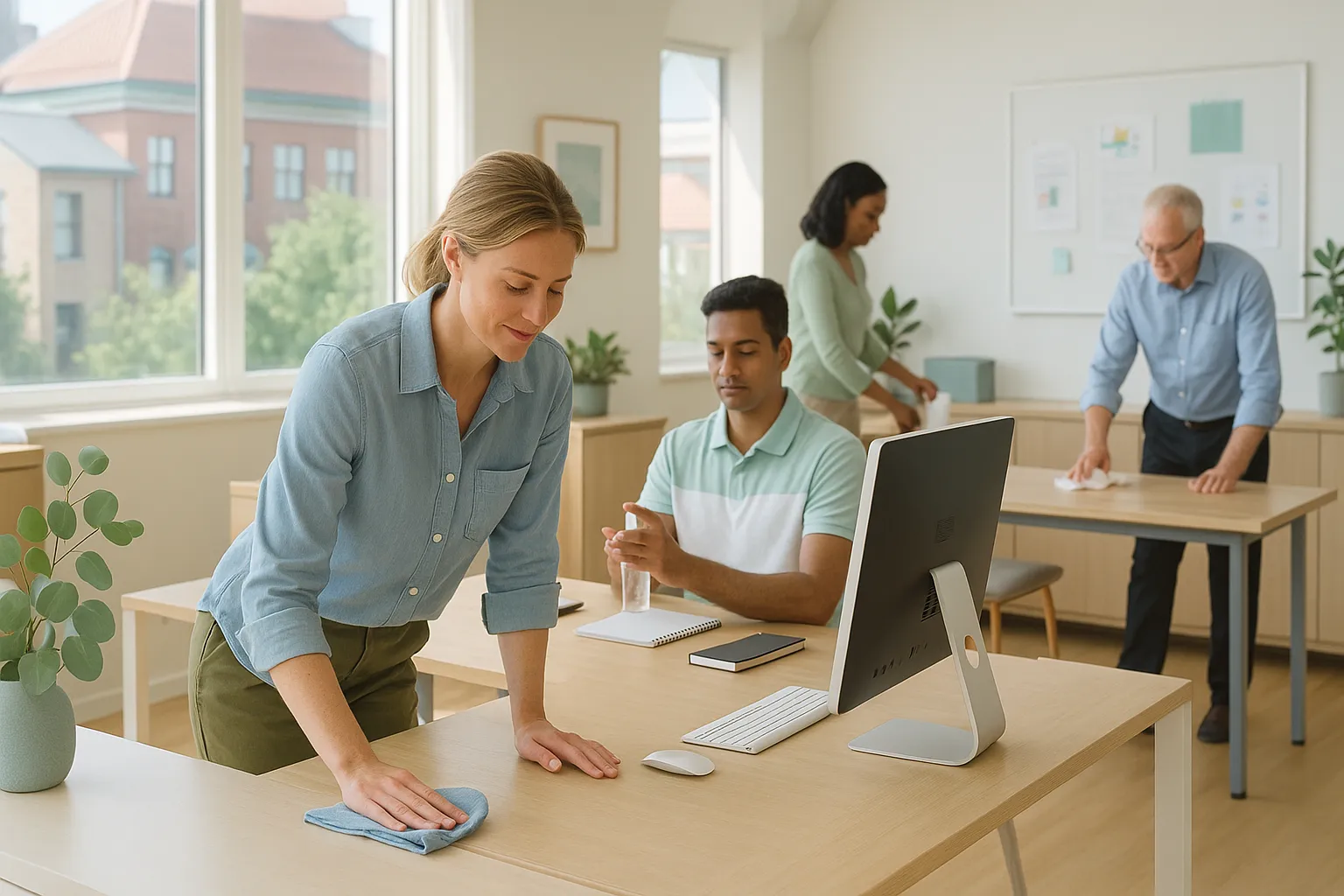
Encouraging employees to actively participate in daily cleaning routines directly limits the spread of germs and pathogens. Key actions include:
- Wiping down personal and shared surfaces (desks, keyboards, communal equipment).
- Practicing proper hand hygiene and sanitising common touchpoints.
- Tidying and maintaining communal spaces such as kitchens, break rooms, and meeting areas.
Impact:
By disrupting transmission routes for colds, influenza, and other contagious illnesses, workplaces experience lower absenteeism rates. For Australian businesses, this means more consistent operations, reduced workflow interruptions, and a measurable boost in overall productivity. Regular employee participation in hygiene routines acts as a first line of defence against outbreaks, complementing professional cleaning schedules.
2. Enhanced Employee Well-being and Morale
A clean, organised, and pleasant-smelling office environment contributes significantly to employee mental health. Clutter, dirt, and disorder can create stress, overwhelm, and feelings of disorganisation. Conversely:
- A tidy desk fosters a sense of control and reduces cognitive overload.
- A well-maintained communal space signals care, professionalism, and respect.
- Regular cleaning routines provide structure and shared responsibility, encouraging teamwork and a sense of ownership.
Result:
Employees in clean, orderly workplaces report higher satisfaction, reduced stress, and increased engagement. For Australian companies, fostering a positive workspace translates to stronger retention, improved collaboration, and enhanced morale across the team.
3. Improved Air Quality
Daily dusting and surface cleaning significantly improve indoor air quality by reducing allergens and pollutants such as:
- Dust mites and accumulated dust.
- Pet dander and pollen carried indoors.
- Particulate matter from external sources.
Why it matters:
Improved air quality reduces respiratory irritants and the risk of “sick building syndrome.” For employees with asthma, allergies, or other sensitivities—common health concerns in Australia—cleaner air improves comfort, focus, and overall well-being. Combined with proper ventilation and professional cleaning support, these practices maintain a healthier indoor environment.
4. Positive Professional Image
A sparkling, well-maintained office communicates excellence and professionalism. Benefits include:
- Impressing clients, business partners, and visitors immediately.
- Signalling attention to detail and commitment to high operational standards.
- Creating a welcoming environment that attracts top talent and encourages repeat business.
Australian workplace relevance:
In competitive markets like Sydney, Melbourne, or Brisbane, maintaining a pristine office can differentiate a business, enhancing reputation and trust among clients, candidates, and collaborators.
5. Longevity of Office Assets
Regular cleaning preserves furniture, electronics, and office finishes. Daily habits such as:
- Wiping spills immediately.
- Gently dusting monitors, keyboards, and shared appliances.
- Handling office equipment with care.
Result:
This proactive maintenance prevents premature wear, discolouration, and damage, ultimately reducing repair and replacement costs. For Australian businesses, this represents a significant long-term financial benefit, helping to maximise the lifespan of high-value office assets.
6. Reinforces Work Health & Safety (WHS) Standards
Promoting consistent cleaning habits supports Australian WHS regulations by reducing workplace hazards. Practical examples include:
- Promptly cleaning spills to prevent slips and falls.
- Keeping walkways clear of clutter and obstacles.
- Maintaining hygienic communal areas to reduce bacteria, pests, and general contamination.
Impact:
By embedding these habits, businesses proactively minimise risks and create a safer, healthier work environment. This not only protects employees but also demonstrates compliance with WHS obligations, reducing potential liabilities and supporting a culture of safety.
Core Cleaning Habits to Encourage in the Australian Office
Implementing a successful culture of cleanliness requires clear communication, practical guidelines, and consistent encouragement. Here are core office cleaning habits to foster within Australian workplaces:
"Clean As You Go" Mentality
This is perhaps the most fundamental habit. Encourage and expect immediate cleanup of personal spills, crumbs, and any general messes in all areas of the office. This applies whether it's a coffee spill on a desk, food crumbs in the kitchen, or misplaced papers and notes left behind in meeting rooms. The principle is simple: encourage staff to leave an area as clean, or ideally, cleaner, than they found it, ensuring problems don't accumulate.
Daily Desk Tidiness
Promote the habit of employees regularly decluttering their personal workspace, wiping down their desk surfaces (e.g., keyboard, mouse, phone), and organising personal items at the end of each workday. This simple routine prevents the accumulation of dust, crumbs, and grime, makes it easier for professional cleaners, and ensures a fresh, organised start each morning, boosting individual productivity.
High-Touch Surface Awareness
Emphasise the critical importance of frequently wiping down shared high-touch surfaces throughout the day. These are hotspots for germ transmission. Provide readily accessible sanitising wipes or sprays for areas such as:
- Door handles (office entry, meeting rooms, restrooms)
- Light switches
- Communal equipment like printers, photocopiers, and shredders
- Microwave and refrigerator handles/buttons
- Shared computer keyboards and mice (if applicable)
- Meeting room tables before and after use
Kitchen & Break Room Etiquette
These communal areas often become hotspots for mess if not managed properly. Establish and clearly communicate specific habits:
- Washing Dishes Promptly: Encourage staff to wash their dishes immediately after use or load them into the dishwasher.
- Wiping Down Benches: Mandate wiping down kitchen benches and tables after preparing or eating food.
- Microwave Cleanliness: Require employees to clean the microwave interior immediately after each use to remove splatters and spills.
- Proper Food Storage: Encourage proper labelling and storage of food in the fridge, and prompt disposal of expired or uneaten items.
- Disposing of Food Waste Correctly: Ensure food scraps and organic waste are placed in appropriate, clearly marked Australian bins (e.g., general waste, organics) to prevent odours and pests.
Proper Waste Disposal
Educate and encourage correct sorting of waste to promote environmental responsibility and efficient waste management. Provide clearly designated and labelled bins for:
- General Waste: Non-recyclable items.
- Recycling: Paper, cardboard, plastics (with clear numbering guidelines), glass, and cans, in line with specific Australian council guidelines for commercial premises.
- Organic Waste: Food scraps and garden waste, if your council offers such a service. Clear signage above each bin is crucial for success.
Personal Hygiene Practices
While not strictly "cleaning" the office, strong personal hygiene practices are fundamental to preventing the spread of germs within the workplace. Reinforce essential habits such as:
- Frequent and Thorough Handwashing: Especially after using the restroom, before eating, and after coughing or sneezing.
- Use of Hand Sanitiser: Provide readily available alcohol-based hand sanitiser at entry points, shared areas, and individual desks.
- Proper Cough/Sneeze Etiquette: Encourage employees to cough or sneeze into their elbow or a tissue (and dispose of it immediately), rather than into their hands, to prevent germ transmission.
By embedding these habits, Australian offices can transform from simply relying on periodic professional office cleaning to fostering a truly shared and proactive culture of cleanliness and well-being.
Effective Strategies to Encourage These Habits in Workplaces
Successfully embedding a culture of daily cleanliness requires a proactive and multifaceted approach. Australian businesses can employ several effective strategies to encourage these essential habits among their workforce.
Lead by Example from Management
This is arguably the most critical strategy. Leaders and managers must actively demonstrate the desired cleaning behaviours themselves. If employees see their superiors consistently tidying their own spaces, wiping down common areas, and adhering to hygiene policies, it sends a powerful message. Management's commitment validates the importance of these habits and encourages team members to follow suit, fostering a genuine top-down culture of cleanliness in the Australian office.
Clear Communication and Education
Ambiguity leads to inaction. Clear, consistent communication is vital for any successful office cleaning initiative.
- Workplace Hygiene Policy: Develop and formally communicate a simple, clear, and concise workplace hygiene policy. This document should outline expectations regarding daily cleanliness, responsibilities for shared spaces, and proper waste disposal, ensuring it is relevant to Australian WHS standards and cultural norms. Make it accessible to all staff.
- Educational Materials: Don't just tell employees what to do; explain why. Use engaging educational materials such as visually appealing posters placed in key areas (kitchens, restrooms, near printers), internal newsletters, or brief team talks during staff meetings. These should highlight the "why" behind cleaning habits, emphasizing their direct benefits to individual health, team productivity, and the overall professional image of the Australian business.
- Specific Instructions: Provide easy-to-understand, step-by-step guides on how to clean certain areas or items. For example, a simple graphic near the microwave showing how to wipe it down, or a guide by the bins explaining proper waste sorting for recycling in Australia. This eliminates confusion and empowers employees to act correctly.
Provide the Right Tools and Resources
Employees can only maintain cleanliness if they have the necessary resources readily available.
- Accessible Cleaning Supplies: Ensure a consistent supply of readily available disinfectant wipes, multi-surface sprays, paper towels, hand sanitiser, and clean cloths in all key areas where daily cleaning is expected (e.g., kitchen, meeting rooms, near shared equipment, and even individual desks). Make it easy for staff to grab and use these items.
- Sufficient Bins: Place enough clearly labelled waste and recycling bins throughout the office, including general waste, mixed recycling, and organic waste bins (where applicable, according to Australian council guidelines). Strategically placed bins reduce the likelihood of rubbish accumulating on desks or common surfaces.
- Ergonomic & Safe Tools: Where applicable, provide cleaning tools that are ergonomic, easy, and safe for employees to use. For example, user-friendly spray bottles, non-toxic cleaning agents, and appropriate clothes. This encourages usage and minimises any potential hazards.
Foster Shared Responsibility
Shift the perception of cleaning from a chore to a collective responsibility.
- Cleaning Zones/Schedules (If Appropriate): For common areas that require more frequent attention than individual desks, consider implementing a light, rotating schedule or assigning "cleaning zones." This could involve quick daily duties for common areas like the kitchen or meeting rooms, ensuring everyone contributes without feeling burdened. This works well for smaller Australian offices.
- Team Challenges/Incentives: Create fun, positive reinforcement programs to motivate staff. This could include a "Tidiest Team of the Week" recognition, small rewards for exceptional cleanliness, or even a monthly "Clean Sweep" prize. Positive incentives encourage participation and build camaraderie around shared goals.
Regular Reminders and Feedback
Consistency is key to embedding new habits.
- Gentle Reminders: Send periodic, gentle reminders via email, internal communication platforms (e.g., Slack, Teams), or even discreet signage. These should be framed positively, reinforcing the shared benefits rather than sounding accusatory. For instance, a weekly "Friday Tidy-Up" reminder.
- Encourage Feedback: Create an open channel for employees to provide feedback on cleaning effectiveness or areas needing attention. This could be an anonymous suggestion box, a dedicated email address, or regular check-ins. This ensures issues are addressed and employees feel heard and involved in maintaining their workplace.
Integrate with Onboarding
The best time to set expectations is at the very beginning.
- New Hire Orientation: Include a specific section on office cleaning expectations and habits for all new hires during their onboarding process in Australia. This ensures they understand the company's commitment to hygiene from day one and know how they are expected to contribute to a clean and safe environment. This sets the precedent for ongoing workplace cleanliness.
The Partnership with Professional Commercial Cleaners
It is crucial to understand that encouraging daily cleaning habits among employees complements, rather than replaces, the essential work of professional commercial cleaning services in Australia. These two approaches work in tandem to create the healthiest and most hygienic workplace possible.
Complementary Roles
While employees maintain day-to-day tidiness and hygiene of immediate workspaces and common high-touch points, professional commercial cleaners are equipped to handle the deeper, more specialized, and less frequent tasks. This includes comprehensive sanitisation of restrooms and kitchens, thorough vacuuming and floor care, window cleaning, trash removal, and periodic deep cleaning of carpets, upholstery, and hard-to-reach areas. They possess the industrial-grade equipment, powerful cleaning agents, and expertise to deliver a level of cleanliness that goes beyond daily office maintenance.
Efficiency for Professional Cleaners
A culture of daily cleanliness significantly makes the professional cleaners' job more efficient and effective. When desks are tidy, common areas are generally free of clutter, and waste is properly sorted, cleaners can focus their efforts on more in-depth cleaning, sanitisation, and maintenance tasks. They spend less time clearing personal items or dealing with un-sorted rubbish, allowing them to concentrate on the critical aspects of hygiene and upkeep. This maximises the value of the cleaning service investment for Australian businesses.
Consumables and Advice from Leading Companies
Leading Australian commercial cleaning companies, like CorpClean (a hypothetical example), often do more than just clean. They can act as valuable partners by:
- Providing Necessary Consumables: Many professional cleaners can supply businesses with the essential daily cleaning consumables, such as high-quality disinfectant wipes, hand sanitiser, paper towels, and even environmentally friendly cleaning sprays. This ensures consistency in products and takes the burden of procurement off the office management.
- Offering Expert Advice: Reputable cleaning services can provide expert advice and recommendations on maintaining daily hygiene standards. They can suggest optimal placement of bins, advise on best practices for specific surfaces, or even offer mini-training sessions to staff on basic workplace hygiene. This collaborative approach enhances the overall cleanliness strategy for Australian offices.
Conclusion
The pursuit of a pristine workplace is a shared journey. By empowering employees to take collective responsibility for daily cleanliness, Australian businesses can achieve far more than just a tidy office; they can cultivate an environment that actively promotes well-being and productivity.
We've outlined key strategies for encouraging positive cleaning habits, from leading by example and implementing clear communication to providing the right tools and fostering a sense of shared responsibility. These daily efforts, combined with the essential work of professional commercial cleaning services, form a powerful partnership for optimal hygiene.
The benefits are holistic and far-reaching: a significant reduction in illness and absenteeism, leading to increased productivity; enhanced employee well-being and morale in a stress-free environment; improved air quality for all staff; a strong and positive professional image for clients; and the longevity of valuable office assets. Furthermore, these habits directly reinforce crucial Australian WHS standards, ensuring a safer workplace.
By taking collective responsibility for daily cleanliness, Australian businesses can foster a truly healthier, more harmonious, and highly productive environment for everyone, where cleanliness isn't just a task, but an ingrained aspect of a thriving workplace culture.