Eco-Friendly Office Cleaning: Why Australian Businesses Are Going Green
6th November 2025
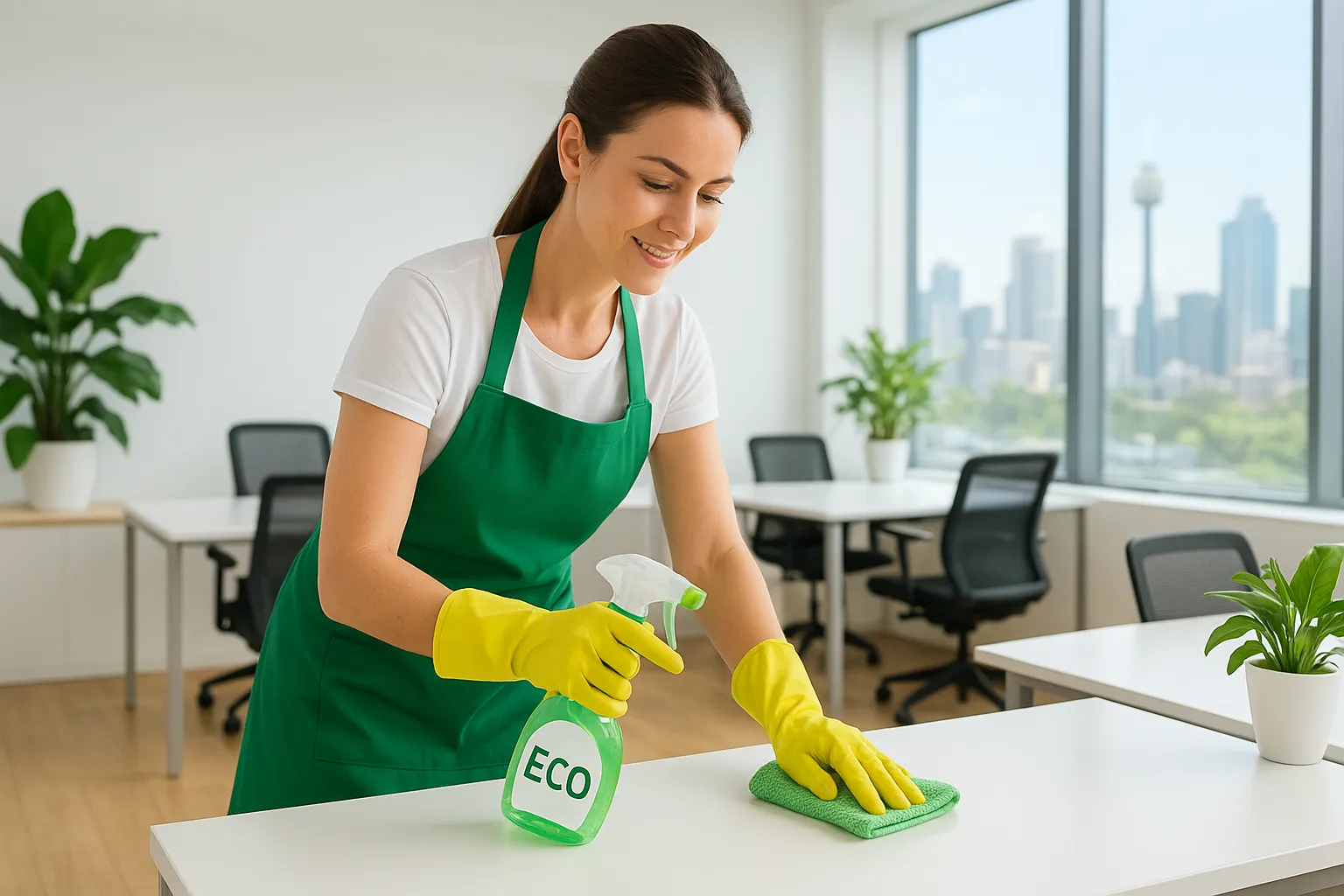
From recycling bins in the breakroom to solar panels glinting on the roof, Australian businesses are increasingly embracing sustainability in every aspect of their operations. This growing environmental consciousness is now extending to an often-overlooked area: office cleaning.
More and more Australian businesses are recognising the significant impact their cleaning practices have on the environment and the health of their employees. This has led to a surge in the adoption of eco-friendly office cleaning – a holistic approach that prioritises environmental responsibility and well-being.
This article delves into the compelling reasons behind the accelerating trend of Australian workplaces choosing eco-friendly office cleaning, exploring its diverse benefits for the environment, employee health, and the businesses themselves.
Understanding Eco-Friendly Office Cleaning
In simple terms, eco-friendly office cleaning for Australian businesses means cleaning your workspace in a way that minimises harm to the environment and promotes a healthier indoor environment. It's about making conscious choices that reduce your company's ecological footprint while ensuring a sparkling clean office.
Here are the key characteristics that define eco-friendly cleaning:
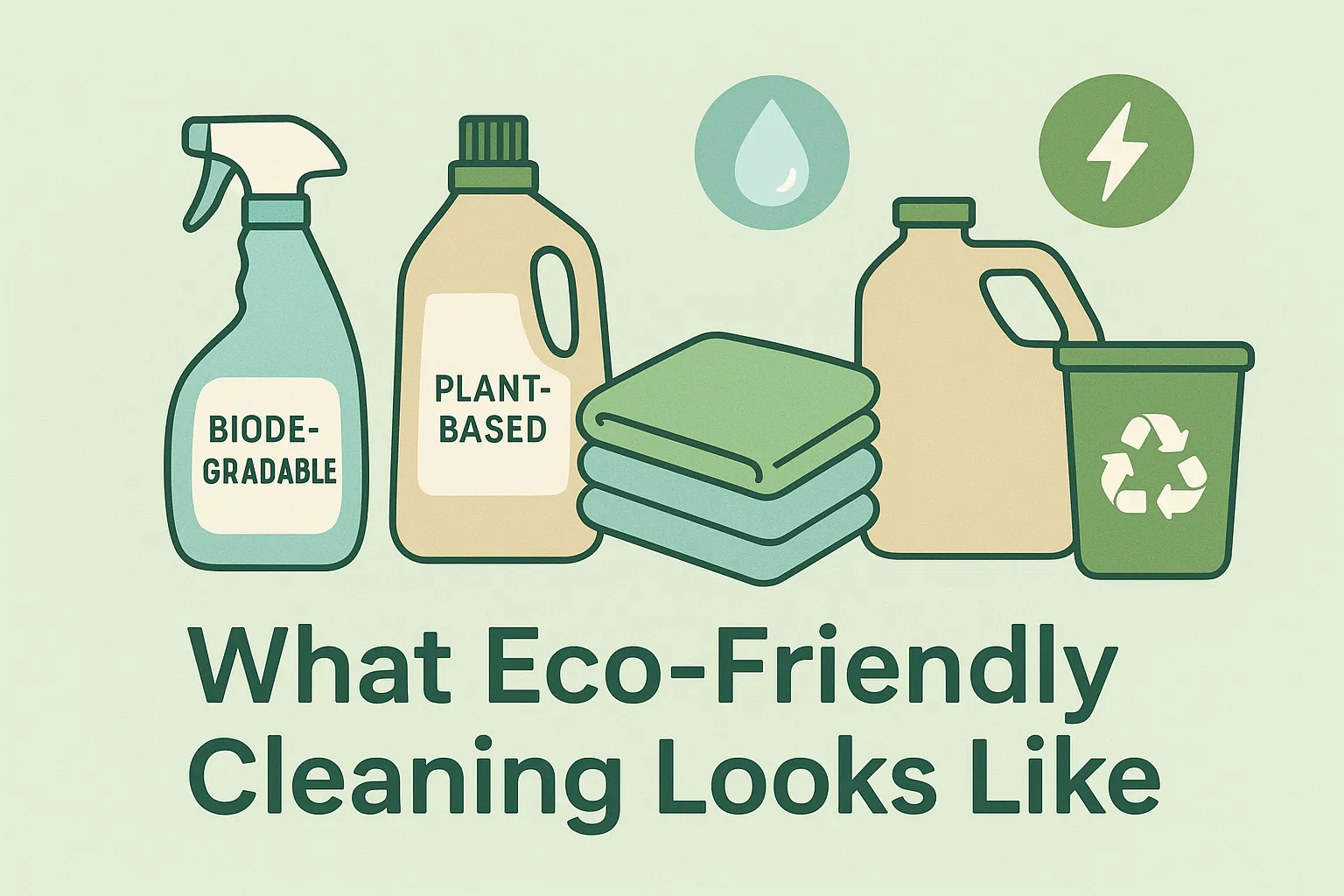
- Use of non-toxic, biodegradable cleaning products: These products are formulated without harsh chemicals, volatile organic compounds (VOCs), and harmful substances that can pollute the air and water. They break down naturally, reducing their environmental impact. For example, instead of cleaners with synthetic fragrances, an eco-friendly approach might use plant-based formulas with essential oils.
- Reduced water and energy consumption: Eco-friendly cleaning often involves techniques and technologies that conserve water, such as microfiber cloths that require less water than traditional mops, and efficient cleaning schedules that minimise unnecessary cleaning. Energy-efficient equipment and practices also play a role.
- Minimization of waste through reusable materials and proper disposal: This includes using reusable microfiber cloths instead of disposable wipes, refilling cleaning product containers, and implementing proper recycling and composting programs for office waste.
- Focus on improving indoor air quality: By avoiding harsh chemicals and VOCs, eco-friendly cleaning helps create a healthier indoor environment, reducing the risk of respiratory issues, allergies, and other health problems for employees. Good ventilation practices are also often emphasised.
- Sustainable practices and ethical sourcing: Eco-friendly cleaning companies often prioritise suppliers who adhere to ethical labor practices and sustainable sourcing of raw materials. They may also implement strategies to reduce their own carbon footprint, such as using fuel-efficient vehicles.
When choosing eco-friendly cleaning services or products in Australia, look for certifications and labels that indicate environmental responsibility. GECA (Good Environmental Choice Australia) is a prominent independent ecolabelling program that certifies products and services that meet rigorous environmental and social performance standards. Seeing the GECA label provides assurance that a product or service has been assessed and proven to be a better environmental choice.
The Compelling Benefits for Australian Businesses
-
Healthier Workplace Environment:
- Traditional cleaning products often contain a cocktail of harsh chemicals and VOCs (volatile organic compounds) that can linger in the air and on surfaces long after cleaning.
- These substances can be significant triggers for allergies, asthma, and skin irritations. Employees exposed to these chemicals may experience respiratory issues, headaches, and general discomfort.
- Eco-friendly cleaning utilises non-toxic, natural ingredients that significantly reduce these health risks, fostering a healthier and safer environment.
- This focus on employee well-being can lead to reduced sick leave and a more engaged and productive workforce.
-
Environmental Responsibility and Sustainability:
- Australia is a nation increasingly aware of its environmental responsibilities.
- Eco-friendly cleaning contributes to:
- Reduced pollution of waterways and soil through biodegradable products.
- Lower carbon footprint via sustainable practices and efficient resource use.
- Conservation of natural resources by prioritising renewable materials and reducing consumption.
- Choosing green cleaning aligns strongly with corporate social responsibility (CSR) initiatives.
-
Enhanced Business Reputation and Brand Image:
- Adopting eco-friendly practices can positively impact a company's image with clients, customers, and employees in Australia.
- Increasing consumer preference for environmentally responsible businesses provides a market advantage.
- Highlighting green cleaning can be a powerful marketing tool and attract environmentally conscious talent.
- Commercial cleaning services that prioritise eco-friendly methods can differentiate themselves in the market and attract businesses seeking sustainable solutions.
-
Potential Cost Savings (Long-Term):
- While initial costs might sometimes be slightly higher, long-term savings can be realised through:
- Reduced chemical waste disposal costs.
- Lower water and energy consumption with efficient cleaning methods.
- Improved employee health leading to less absenteeism.
- Longer lifespan of office assets due to gentler cleaning methods.
-
Compliance with Green Building Standards and Certifications:
- For businesses aiming for certifications like Green Star in Australia, eco-friendly cleaning contributes to achieving these standards.
- It positively impacts categories such as indoor environment quality, materials, and waste management.
Why Traditional Cleaning Methods Are Falling Behind
As sustainability becomes a core priority for Australian workplaces, traditional cleaning methods—once considered the standard—are increasingly showing their limitations. Conventional cleaning products and practices often rely on harsh chemicals, outdated processes, and waste-producing materials that no longer align with modern expectations of health, safety, and environmental responsibility.
Potential Drawbacks of Traditional Cleaning Products
1. Harsh chemicals that impact health and the environment
Many conventional cleaning products contain strong chemicals such as ammonia, chlorine, and volatile organic compounds (VOCs). These substances can harm human health, contributing to respiratory irritation, asthma flare-ups, headaches, allergies, and in some cases, more serious long-term conditions. Once released into the environment, these chemicals can contaminate waterways, damage aquatic ecosystems, and contribute to overall environmental degradation.
2. Strong odours that diminish indoor air quality
Traditional cleaners often emit overpowering chemical smells that linger long after cleaning is completed. These odours can decrease indoor air quality and cause discomfort, nausea, or headaches for employees and visitors. In enclosed office spaces, this can lead to reduced productivity and dissatisfaction among occupants.
3. Higher risk of skin and eye irritation
Direct exposure to concentrated chemical cleaners can lead to skin rashes, burns, and eye irritation—particularly for cleaning staff who work with these substances daily. Even occupants may experience irritation when touching recently cleaned surfaces that still contain chemical residue.
4. Contribution to environmental pollution
The lifecycle of traditional cleaning products—from manufacturing and packaging to disposal—has significant environmental consequences. Many are produced using non-renewable resources, packaged in single-use plastics, and contain ingredients that do not biodegrade. After rinsing into drains, these chemicals can enter waterways, contributing to pollution and harming wildlife.
Increasing Awareness and Demand for Safer Alternatives
Across Australia, both consumers and businesses are becoming more aware of the risks associated with traditional cleaning products. This shift in understanding has fuelled demand for safer, greener, and more sustainable alternatives that align with modern health and environmental standards. As more organisations adopt sustainability goals, eco-friendly cleaning is no longer viewed as optional—it is fast becoming a best-practice expectation.
Growing Pressure for Greener Practices in Australian Workplaces
While nationwide regulations that mandate green cleaning are still developing, the momentum is clear:
-
Employees expect cleaner, healthier working environments
-
Customers prefer brands committed to sustainability
-
Investors and stakeholders increasingly consider environmental responsibility as part of corporate performance
This growing pressure is prompting Australian businesses to proactively embrace eco-friendly cleaning practices—not only to protect their reputation but also to meet ethical responsibilities and align with global sustainability trends.
Ultimately, the limitations of traditional cleaning methods are making room for new, innovative, and environmentally conscious approaches that benefit businesses, employees, and the planet.
Making the Switch: How Australian Businesses Can Adopt Eco-Friendly Cleaning
Transitioning to environmentally responsible cleaning practices doesn’t have to be overwhelming. With the right provider, products, and internal policies, businesses across Australia can significantly reduce their environmental footprint while improving workplace health and wellbeing.
Choosing the Right Eco-Friendly Commercial Cleaning Service Provider
Partnering with the right cleaning company is the first—and often most impactful—step. When evaluating potential providers:
1. Look for trusted environmental certifications.
Prioritise cleaning companies that hold recognised certifications such as GECA (Good Environmental Choice Australia). This ensures their products and practices meet strict sustainability and safety standards verified by independent bodies.
2. Ask detailed questions about their products and processes.
Clarify the types of cleaning solutions they use, whether they rely on biodegradable and non-toxic products, and how they handle waste disposal. Their methods should directly support your organisation’s sustainability goals.
3. Request case studies and references from Australian businesses.
Established eco-friendly cleaners should be able to provide proof of success, including testimonials or examples of how they’ve helped similar companies reduce chemicals, improve indoor air quality, or achieve sustainability targets.
4. Assess their knowledge of Australian environmental regulations.
Your provider should understand local and national standards—including waste management rules, water-efficiency guidelines, and workplace safety requirements—to ensure compliance and industry best practice.
Implementing In-House Eco-Friendly Practices
Adopting greener cleaning doesn’t rest solely on outsourced providers. Businesses can strengthen their sustainability efforts by transforming internal cleaning habits:
1. Switch to certified green cleaning products.
Choose products that are GECA-certified or meet other recognised eco-labels. These reduce exposure to harsh chemicals and promote a healthier work environment.
2. Set up clear waste management and recycling systems.
Place well-labelled recycling, organic, and general waste bins throughout the workplace—especially in high-use areas such as kitchens, breakrooms, and meeting rooms.
3. Train staff in sustainable cleaning techniques.
Teaching cleaners and employees the ‘why’ and ‘how’ of eco-friendly practices increases consistency. Training might include correct dilution of products, safe chemical storage, and proper recycling processes.
4. Use microfibre cloths and reusable tools.
Microfibre materials trap dust and dirt without the need for harsh chemicals. Coupled with refillable bottles and washable mop heads, they significantly cut down on landfill waste.
5. Implement water- and energy-conserving cleaning methods.
Simple steps—like cold-water cleaning where suitable, energy-efficient equipment, and controlled water usage—support long-term sustainability and reduce utility costs.
Adopting a Gradual Transition Strategy
Not every business can overhaul their entire cleaning program overnight. A phased approach is often more practical and budget-friendly. Start small:
-
Switch to eco-friendly products in bathrooms or breakrooms first.
-
Introduce a recycling program before transitioning every cleaning process.
-
Replace disposable items (e.g., wipes) with reusable alternatives gradually.
This incremental method helps staff adjust comfortably while maintaining operational efficiency.
Communicating the Change
Once eco-friendly cleaning practices are in place, communication is key. Inform employees, customers, and stakeholders about the shift, emphasising:
-
Improved indoor air quality
-
Reduced chemical exposure
-
Environmental responsibility
-
Alignment with the business’s broader sustainability commitment
Clear, positive communication not only encourages cooperation but also strengthens your organisation’s green reputation—an increasingly influential factor in Australia’s business landscape.
Addressing Potential Concerns and Misconceptions
Even with growing interest in sustainability, some businesses may still have questions or reservations about transitioning to eco-friendly cleaning. Addressing these concerns upfront can help organisations feel confident in making the switch.
Cost Considerations
A common misconception is that green cleaning automatically means increased expenses. While certain eco-friendly products may have slightly higher upfront costs, the long-term financial benefits often outweigh the initial investment. Companies can experience:
-
Lower waste disposal fees due to reduced use of single-use plastics and hazardous chemicals.
-
Decreased utility costs from water-efficient systems and energy-saving equipment.
-
Improved employee health and wellbeing, reducing sick days and elevating productivity.
When these factors are taken into account, eco-friendly cleaning often leads to overall cost savings and a stronger value proposition.
Effectiveness of Green Cleaning Products
Some businesses may question whether environmentally friendly products can deliver the same cleaning performance as traditional chemicals. The good news is that advances in green chemistry and modern formulations have resulted in products that are equally effective—and often more effective—when applied correctly.
Effectiveness is maximised through:
-
Proper product selection
-
Correct dilution and application
-
Staff training on modern sustainable cleaning techniques
In many cases, green solutions clean more efficiently because they use plant-based surfactants and rapidly biodegradable ingredients that break down dirt without leaving chemical residue.
Product Availability Across Australia
Another misconception is that green cleaning products or services are hard to find. However, Australian businesses now have unprecedented access to eco-friendly options. Major cities—including Sydney, Melbourne, Brisbane, Perth, and Adelaide—offer a wide range of certified green cleaning products, sustainable equipment, and reputable commercial cleaning companies specialising in eco-friendly practices.
This expanding marketplace makes the transition to green cleaning more accessible and convenient than ever.
The Future of Green Cleaning in Australian Workplaces
The eco-friendly cleaning industry in Australia is on a strong upward trajectory. Rising environmental consciousness, potential future regulations, and increasing expectations from both employees and consumers are driving rapid adoption. As businesses continue to recognise the environmental, health, and financial benefits, green cleaning is set to become the industry standard—not just an optional add-on.
Key Trends Shaping the Future
As Australian businesses continue prioritising sustainability, the cleaning industry is rapidly evolving. A new wave of innovations—driven by environmental responsibility, technological advancement, and shifting consumer expectations—is set to redefine how commercial cleaning is delivered. Below are the key trends shaping the future of sustainable cleaning:
1. Advanced Green Chemistry
The field of green chemistry is growing quickly, with researchers developing cleaning solutions that are both highly effective and environmentally sound. Future products will:
-
Use plant-based, biodegradable, and renewable ingredients
-
Eliminate harmful chemicals such as VOCs, chlorine, and ammonia
-
Offer superior cleaning performance without leaving toxic residues
-
Improve indoor air quality, contributing to healthier workplaces
These next-generation formulations will allow businesses to maintain exceptional cleanliness standards while protecting both staff and the environment.
2. Smart Cleaning Technologies
Technology is set to play a major role in the shift toward greener, more efficient cleaning. Innovations will include:
-
AI-powered cleaning schedules that adapt based on building usage patterns
-
Robotic cleaning systems capable of performing repetitive tasks with precision
-
Sensor-driven monitoring, such as detecting spills, high foot traffic, or declining air quality
By cleaning only when necessary rather than following rigid timetables, businesses can reduce energy consumption, minimise product waste, and cut unnecessary labour hours, all while maintaining consistently high hygiene standards.
3. Sustainable Packaging and Delivery Systems
The packaging and distribution of cleaning products is undergoing a green transformation. Future developments will focus on:
-
Ultra-concentrated cleaning formulas that reduce transport emissions
-
Refillable and reusable containers for commercial cleaning staff
-
Closed-loop systems, where packaging is recovered, cleaned, and reused
-
Compostable or recyclable materials replacing single-use plastics
These advancements will help significantly reduce waste and support Australia’s transition toward more circular, low-impact supply chains.
4. Circular Economy Principles
The circular economy model—where materials are reused, repaired, and recycled rather than discarded—is becoming central to sustainable cleaning. This will involve:
-
Tools and equipment designed for long life cycles
-
Products that are fully recyclable or compostable at end of life
-
Reduced reliance on disposable wipes, pads, and plastics
-
Greater emphasis on reusability, durability, and material recovery
By integrating circular practices, businesses can dramatically lower their environmental footprint while reducing long-term procurement costs.
5. Greater Transparency and Traceability
Consumers and businesses are no longer satisfied with vague sustainability claims. The future will demand:
-
Clear, truthful labelling of ingredients
-
Verified environmental certifications
-
Detailed supply-chain transparency
-
Lifecycle assessments that show the full environmental impact of products
This increased transparency helps organisations make informed decisions and avoid greenwashing while building trust with employees, customers, and stakeholders.
6. Biotechnology-Based Cleaning Solutions
Biotechnology is opening exciting new possibilities for truly sustainable cleaning. Cutting-edge research is producing solutions that use:
-
Enzymes that break down organic matter at a molecular level
-
Microorganisms that digest dirt, grime, and odours naturally
-
Eco-friendly biological processes that eliminate the need for harsh chemical reactions
These solutions offer targeted cleaning power that is safer for people, surfaces, and ecosystems, marking a major shift away from synthetic chemical-heavy products.
A Long-Term Strategic Investment
Choosing eco-friendly cleaning is far more than a temporary trend—it represents a responsible, forward-thinking strategy for Australian businesses. It supports national and global sustainability goals, enhances corporate responsibility, promotes safer and healthier workplaces, and can deliver meaningful long-term financial advantages.
By embracing green cleaning today, Australian organisations invest not only in better business outcomes but also in a more sustainable and prosperous future for employees, communities, and the environment.
Ready to create a cleaner, healthier, and more sustainable workplace?
Corporate Cleaning Services delivers professional, reliable, and environmentally responsible commercial cleaning across Australia. Whether you need routine office cleaning, specialised services, or a fully tailored solution, our certified team is here to help. Contact us today for a free quote and discover why leading Australian businesses trust us to keep their spaces spotless, safe, and compliant.